Blog
Peptide Therapy – 5-Amino-1MQ | Peptide Sciences

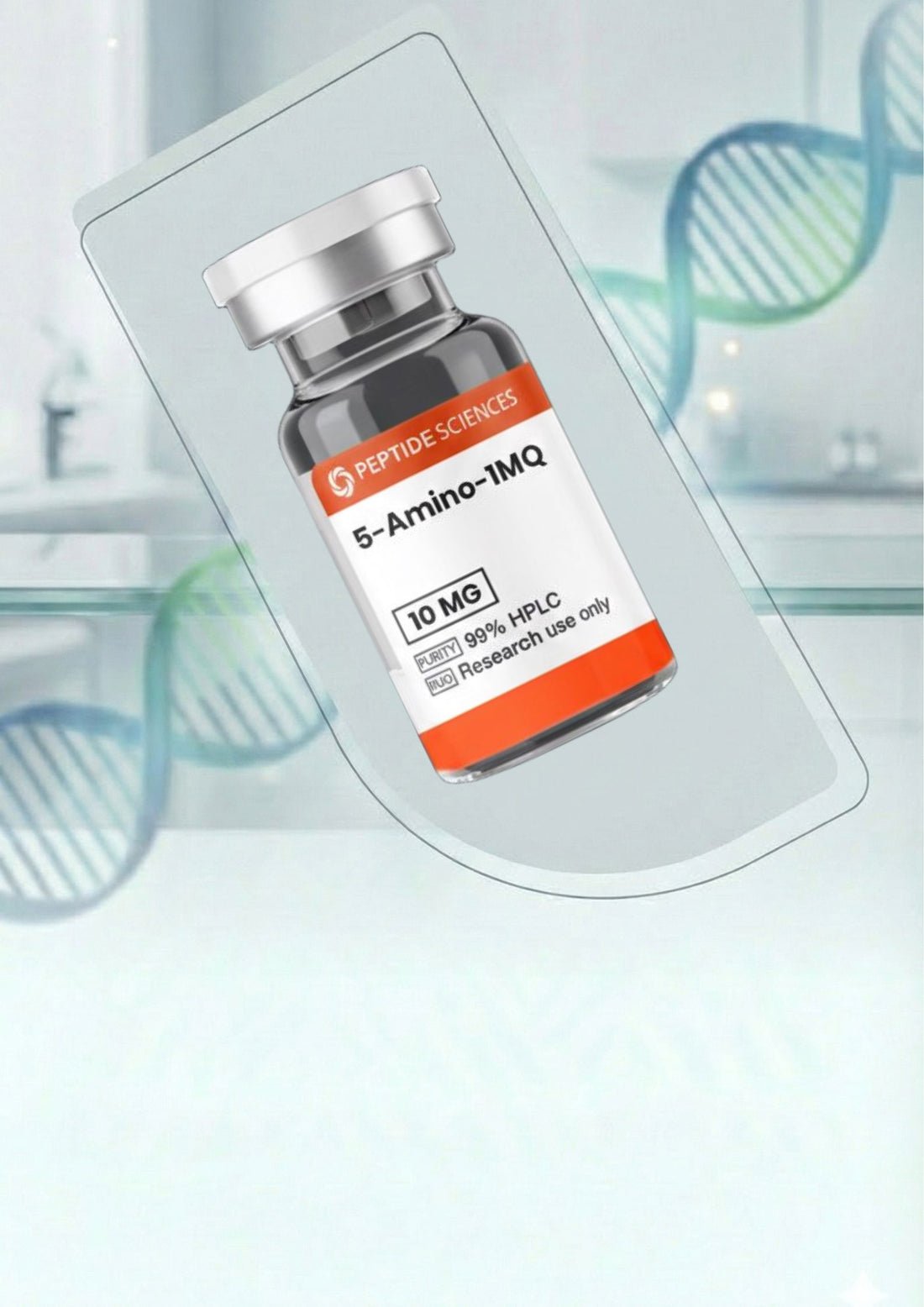
5-Amino-1MQ – A New Direction in Fat Loss & Metabolic Research
Within the evolving landscape of metabolic research, 5-Amino-1MQ has quickly gained attention for its unique approach to fat metabolism and cellular energy pathways. At Peptide Sciences™, we’ve seen growing interest in this compound among researchers exploring visceral fat reduction, insulin sensitivity, and NAD+ optimization—all without relying on traditional injectable formats.
What sets 5-Amino-1MQ apart is not just its mechanism, but its practicality. As an oral peptide analog, it offers a different level of convenience while still supporting key metabolic pathways that are often difficult to target.
What Is 5-Amino-1MQ?
5-Amino-1MQ (5-Amino-1-methylquinolinium) is a small molecule peptide analog studied for its ability to inhibit the enzyme nicotinamide N-methyltransferase (NNMT). This enzyme plays a significant role in metabolic health, particularly in individuals with excess abdominal fat or impaired glucose regulation.
By targeting NNMT, this compound helps support intracellular NAD+ levels, which are essential for cellular energy production and metabolic balance.
How It Works – The NNMT & NAD+ Connection
Targeting Fat Storage at the Source
NNMT is closely linked to fat accumulation, especially in visceral fat stores. Elevated NNMT activity has been associated with:
- Reduced NAD+ availability
- Impaired mitochondrial function
- Increased oxidative stress
- Greater fat storage efficiency
By inhibiting this pathway, 5-Amino-1MQ helps shift the body toward a more metabolically active state, where energy is utilized more efficiently.
Supporting Cellular Energy with NAD+
NAD+ is a critical molecule involved in:
- Mitochondrial energy production
- DNA repair
- Fat oxidation
- Cellular longevity pathways
Increasing NAD+ availability allows cells to operate more efficiently, which is why this compound is often explored in studies focused on fat metabolism and overall metabolic health.
Key Areas of Research Interest
Visceral Fat Reduction
One of the most notable areas of study with 5-Amino-1MQ is its potential role in reducing deep abdominal fat, which is strongly associated with metabolic dysfunction.
Muscle Preservation During Fat Loss
Unlike many traditional fat-loss approaches, this compound is being explored for its ability to support lean tissue preservation, making it particularly interesting in body composition research.
Insulin Sensitivity & Metabolic Balance
By improving cellular energy processes, 5-Amino-1MQ is commonly studied in relation to glucose regulation and insulin response, especially in models of metabolic syndrome.
Energy & Cognitive Function
Researchers have also observed potential links between improved cellular energy production and enhanced mental clarity, reduced fatigue, and improved focus.
How It Compares to Other Peptides
| Peptide | Main Benefit | Route | Cycle Needed? |
|---|---|---|---|
| 5-Amino-1MQ | Fat loss, NAD+ | Oral | Yes: 4–6 weeks on, 2–4 weeks off |
| MOTS-c | Fat oxidation, mitochondria | Injection | No |
| Tesamorelin | Visceral fat | Injection | Yes |
| Follistatin | Muscle growth | Injection | Yes |
| CJC-1295 | GH support | Injection | Yes |
The Importance of Cycling
A key consideration with 5-Amino-1MQ is how the body adapts over time.
In research settings, continuous use may lead to reduced responsiveness. For this reason, structured cycling is often explored:
- 4–6 weeks of use
- Followed by a 2–4 week break
This approach helps maintain the compound’s effectiveness and allows metabolic pathways to reset before reintroduction.
Where It Fits in a Research Framework
5-Amino-1MQ is often studied alongside other compounds targeting complementary pathways, such as:
- MOTS-C – mitochondrial efficiency
- Tesamorelin – visceral fat pathways
- AOD-9604 – lipid metabolism
- Follistatin – muscle-related pathways
At Peptide Sciences, researchers frequently explore how combining these compounds can provide a more complete metabolic research model.
Safety & Tolerability
Current research observations suggest that 5-Amino-1MQ is:
- Non-stimulatory
- Non-hormonal
- Well-tolerated in research environments
No significant toxicity signals have been identified in available studies, though—as with all research compounds—proper protocols and controlled conditions are essential.
Final Thoughts
5-Amino-1MQ represents a different direction in metabolic peptide research—one that focuses on cellular efficiency, energy pathways, and fat metabolism at the biochemical level.
Its oral format, combined with its interaction with the NNMT–NAD+ pathway, makes it a compelling compound for researchers investigating modern approaches to body composition and metabolic health.
At Peptide Sciences™, we continue to provide access to high-quality research compounds like 5-Amino-1MQ, supporting scientists and researchers exploring the next generation of peptide-based solutions.