
Peptide Classes Explained – A Complete Guide by Peptide Sciences

At Peptide Sciences™, we understand that not all peptides serve the same purpose. The world of research peptides is vast, with different compounds targeting specific biological pathways—from metabolism and recovery to cognitive performance and immune regulation.

This guide from Peptide Science breaks down the most important peptide classes, helping researchers better understand how these compounds are studied and why they continue to gain attention in modern scientific research.

Whether you are exploring peptides for sale or simply looking to deepen your knowledge, this page provides a clear overview of the most relevant peptide categories used in today’s research landscape.

Weight loss Peptide Sciences

1. Weight Loss & Metabolic Peptides

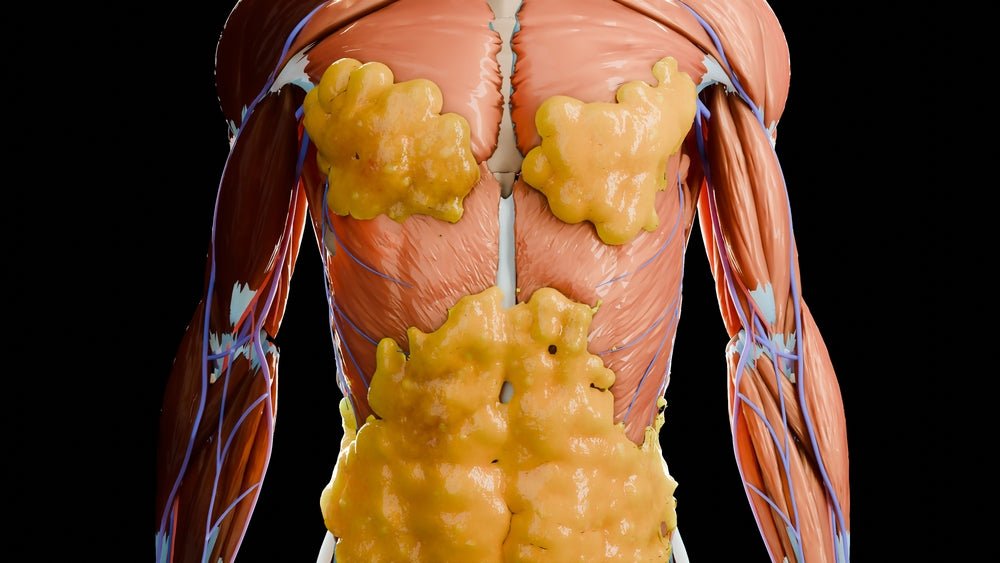
Weight loss and metabolic peptides are among the most researched compounds in the peptide space today. These peptides are studied for their role in appetite regulation, insulin signaling, fat metabolism, and energy balance. Rather than acting as stimulants, these peptides work through hormonal pathways, helping researchers understand how the body naturally regulates weight and glucose metabolism.

Common Peptides in This Category:

  • Semaglutide – GLP-1 receptor agonist studied for appetite and glucose regulation
  • Tirzepatide – Dual GLP-1/GIP agonist explored in metabolic research
  • Retatrutide – Triple agonist gaining attention in advanced metabolic studies
  • Cagrilintide – Amylin analog studied for appetite suppression
  • AOD-9604 – HGH fragment researched for fat metabolism

At Peptides Sciences, these compounds are frequently explored in studies focused on long-term metabolic regulation and body composition.

2. Injury, Joint, & Recovery Peptides​

2. Injury, Joint, & Recovery Peptides

Recovery peptides are widely studied for their role in tissue repair, inflammation reduction, and cellular regeneration. These peptides are particularly relevant in research involving muscle injuries, joint health, and post-procedure recovery.

Common Peptides in This Category:

  • BPC-157 – Known for its role in tissue repair and angiogenesis research
  • TB-500 (Thymosin Beta-4) – Studied for cellular migration and healing
  • GHK-Cu – Copper peptide involved in skin and tissue regeneration
  • SS-31 – Mitochondrial peptide studied for cellular repair

Researchers working with Peptide Science products often explore these compounds in studies focused on accelerating recovery and reducing inflammation at the cellular level.

3. Muscle, Performance & Body Composition Peptides​

3. Muscle, Performance & Body Composition Peptides

This class of peptides is studied for its influence on muscle growth pathways, recovery speed, and overall physical performance. These compounds often interact with growth hormone and IGF-1 signaling pathways.
Common Peptides in This Category:

At Peptide Sciences, these peptides are commonly researched for their role in lean mass development, recovery optimization, and performance enhancement pathways.

4. Brain, Mood & Cognitive Performance Peptides​

4. Brain, Mood & Cognitive Performance Peptides

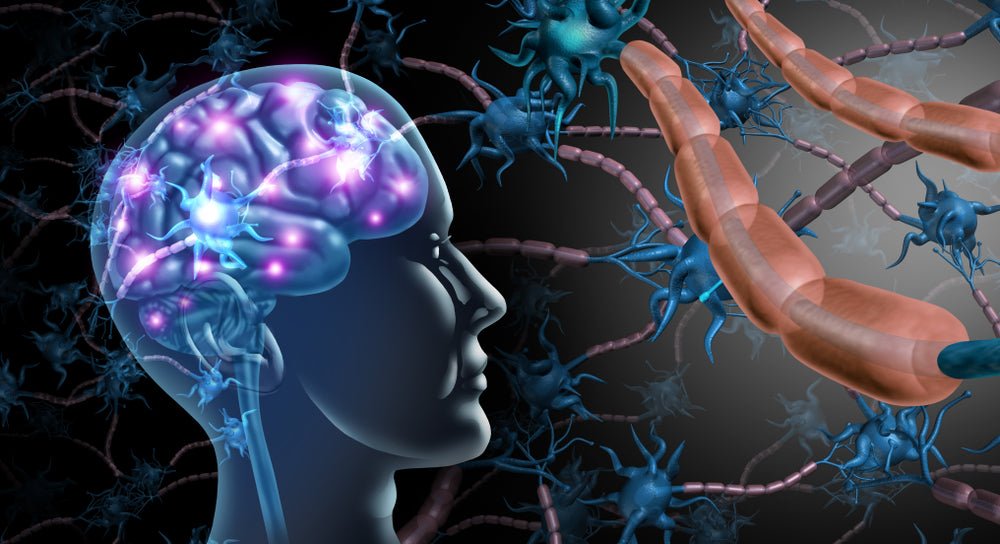
Cognitive peptides are gaining popularity in research related to brain health, memory, stress response, and neuroprotection. These peptides are studied for their interaction with neurotransmitters and brain signaling pathways.
Common Peptides in This Category:

  • Semax – Studied for neuroprotection and cognitive enhancement
  • Selank – Explored for mood regulation and anxiety pathways
  • Dihexa – Investigated for neurogenesis and memory research
  • P21 – Research compound linked to cognitive function

Peptides Science continues to support research into these compounds as interest in mental performance and brain health continues to grow.

5. Longevity, Anti-Aging & Cellular Health Peptides​

5. Longevity, Anti-Aging & Cellular Health Peptides

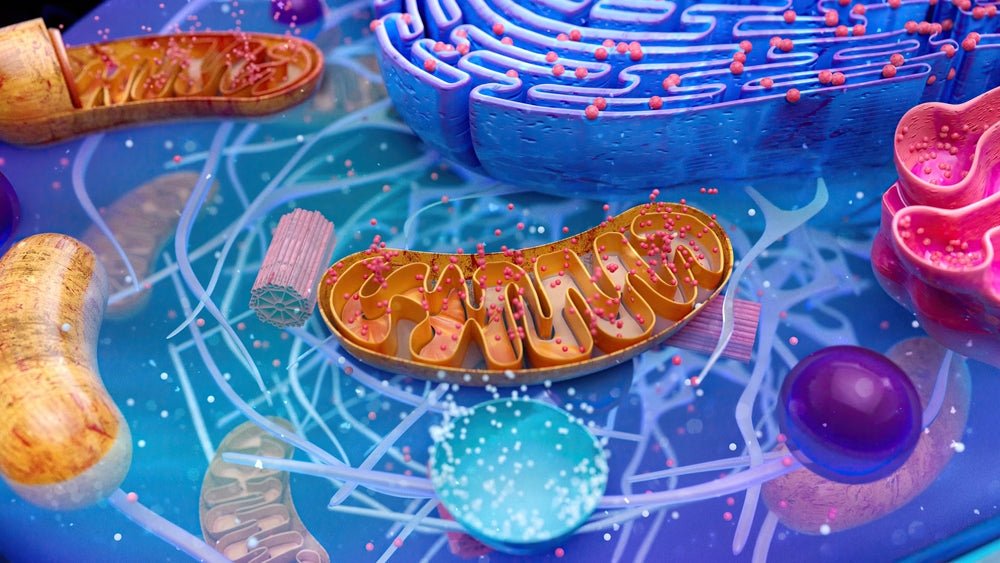
Anti-aging peptides are studied for their ability to influence cellular repair, mitochondrial function, oxidative stress, and overall longevity pathways. These compounds are not quick fixes—they are researched for their role in long-term biological optimization and cellular resilience.

Common Peptides in This Category:

  • Epitalon (Epithalon) – Studied for telomerase activation and longevity
  • MOTS-C – Mitochondrial peptide involved in metabolic efficiency
  • Humanin – Cytoprotective peptide studied in aging research
  • GHK-Cu – Supports collagen production and skin regeneration

At Peptide Sciences™, these peptides are often explored in studies focused on aging, energy production, and cellular health.

6. Hormones & Sexual Health Peptides​

6. Hormones & Sexual Health Peptides

Hormone-related peptides are studied for their ability to influence endocrine signaling, reproductive health, and overall vitality. These peptides interact with the body’s natural hormone pathways, making them important in research related to hormonal balance and function.
Common Peptides in This Category:

Peptides Sciences provides access to these compounds for researchers exploring hormone-driven biological systems.

Immune System & Gut Health Peptides

7. Immune System & Gut Health Peptides

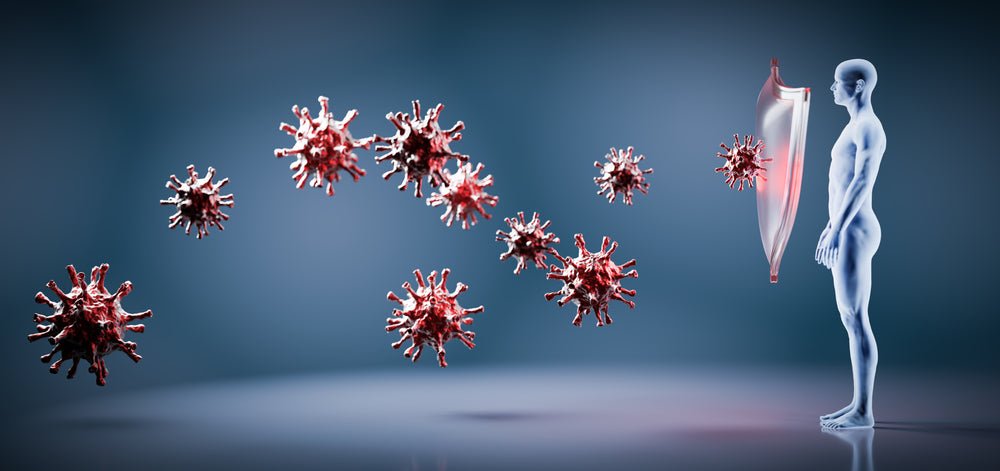
Immune and gut peptides are critical in research involving inflammation control, immune response, and microbiome balance. These peptides are often studied for their role in strengthening natural defense mechanisms and improving gut-related health pathways.
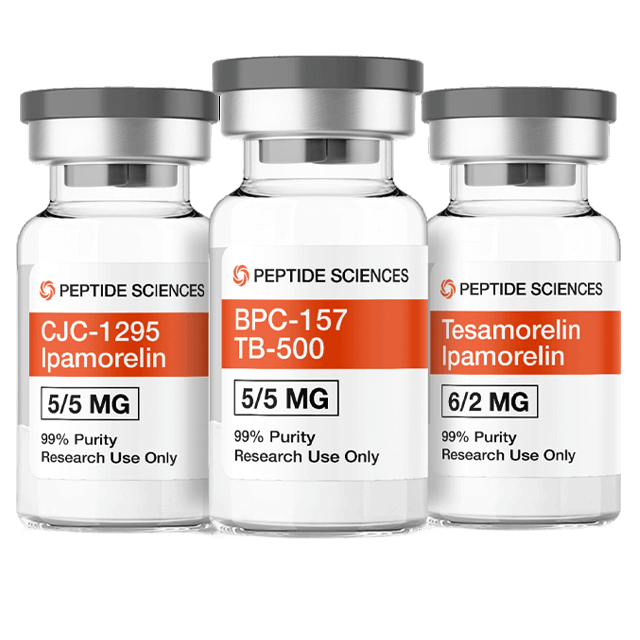
Common Peptides in This Category:

  • Thymosin Alpha-1 Studied for immune modulation
  • LL-37 – Antimicrobial peptide with immune support properties
  • KPV – Anti-inflammatory peptide derived from alpha-MSH
  • BPC-157 – Also studied for gut healing and inflammation

At Peptide Science, these peptides are frequently used in research focused on immune resilience, inflammation control, and gut health.