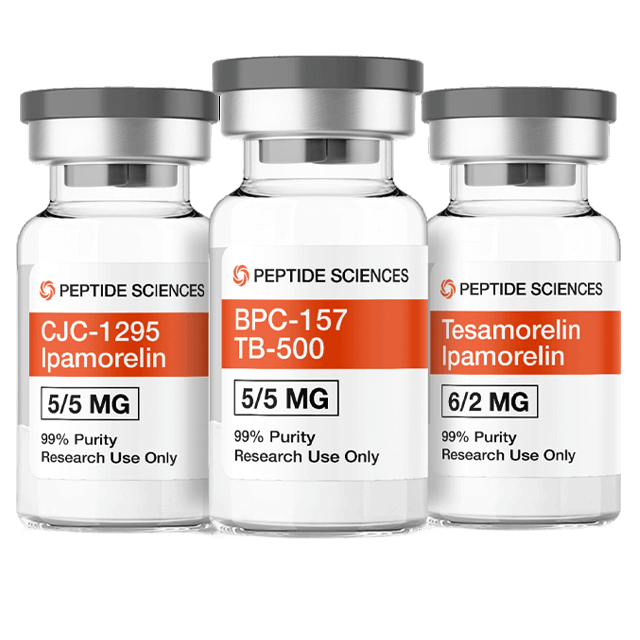
Injury, Joint & Recovery Peptides
Recovery is one of the most important biological processes studied in modern regenerative science. Whether researchers are investigating muscle strains, tendon injuries, joint degeneration, connective tissue damage, or post-exercise recovery pathways, the ability of the body to repair itself efficiently remains a major area of scientific interest.
In recent years, healing peptides have become some of the most researched compounds in regenerative medicine due to their potential roles in supporting tissue repair, angiogenesis, collagen production, inflammation regulation, and cellular recovery. Unlike traditional approaches that focus on symptom management alone, many recovery peptides are studied for their ability to influence the biological mechanisms involved in healing itself.
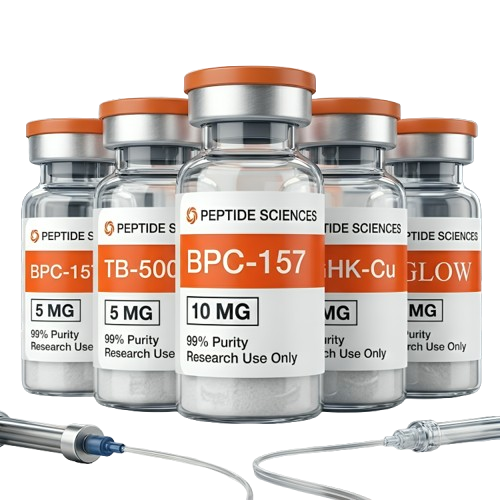
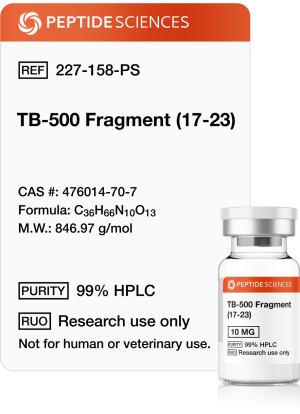
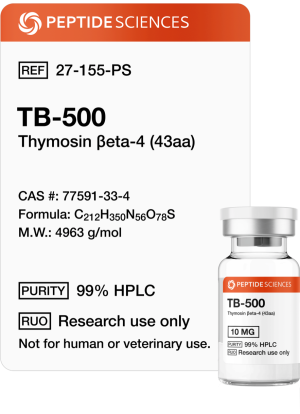
At Peptide Sciences™, we offer a carefully selected collection of injury, joint, and recovery peptides trusted by researchers exploring advanced tissue repair, wound healing, inflammation pathways, and regenerative processes. From well-known compounds such as BPC-157 and TB-500 to innovative formulations like Glow and anti-inflammatory peptides such as KPV, these compounds continue to generate significant interest throughout the scientific community.
Featured Recovery & Healing Peptides
Researchers exploring tissue repair, inflammation control, connective tissue health, and recovery pathways frequently study the following compounds:
Popular Products
Understanding Healing & Recovery Peptides
The body’s healing process is highly complex and involves numerous biological systems working together simultaneously.
When injury occurs, the body initiates several processes:
- Inflammatory response
- Cellular signaling
- Collagen synthesis
- Angiogenesis
- Tissue remodeling
- Cellular regeneration
While these processes occur naturally, researchers continue to investigate compounds that may help support or optimize these pathways.
This is where recovery peptides have become a major focus of regenerative research.
Many peptides are studied because they appear to influence:
- Growth factor activity
- Blood vessel formation
- Connective tissue repair
- Cytokine regulation
- Oxidative stress reduction
- Cellular communication
These mechanisms make healing peptides particularly relevant in studies involving:
- Muscle injuries
- Tendon damage
- Ligament repair
- Joint recovery
- Gastrointestinal repair
- Wound healing
- Post-surgical recovery
- Inflammatory conditions
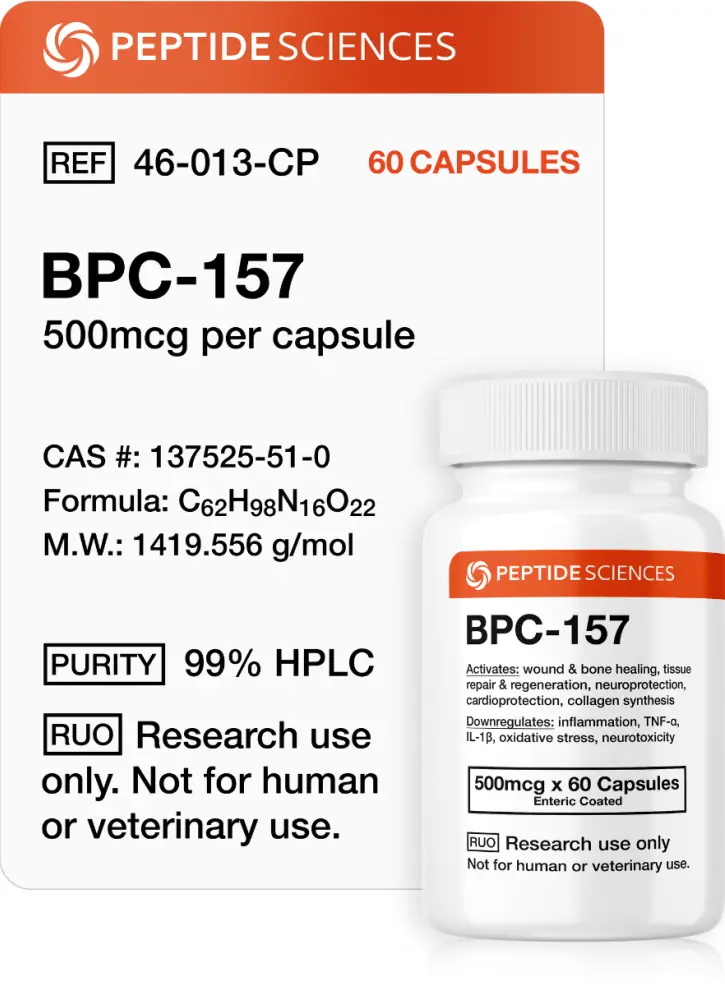
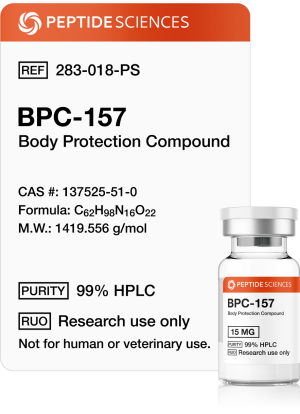
BPC-157: The Gold Standard Healing Peptide
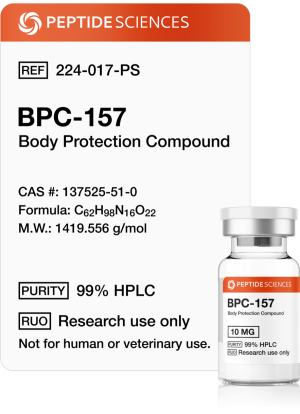
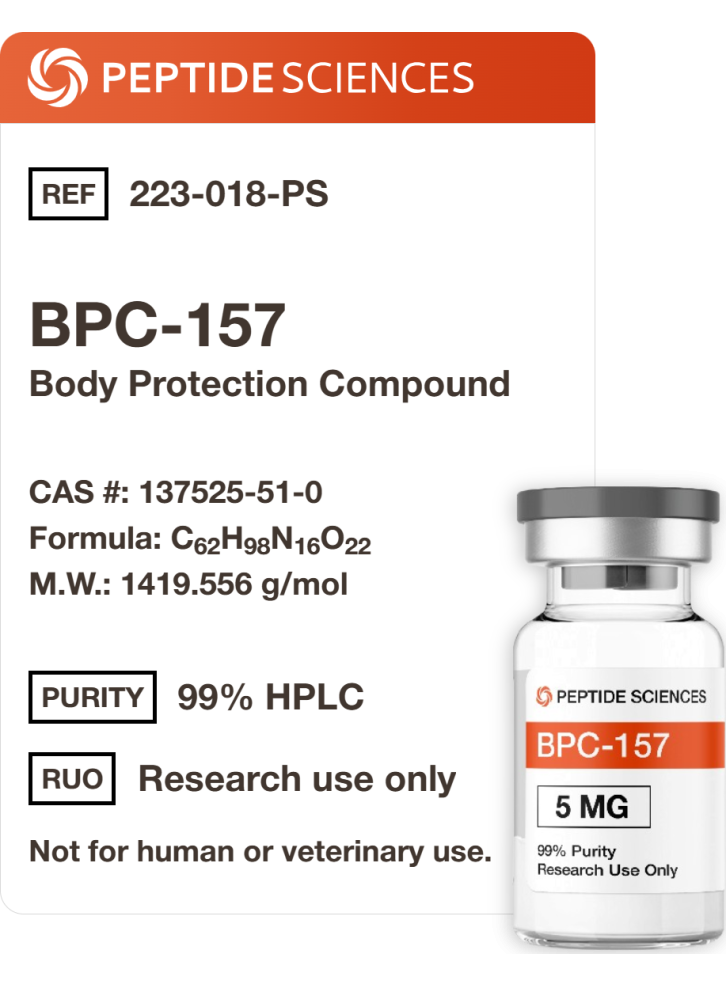
Among all regenerative compounds currently studied, BPC-157 remains one of the most recognized and widely researched.
Derived from a naturally occurring protective protein found in the stomach, BPC-157 has attracted significant attention due to its apparent effects on tissue repair and cellular recovery pathways.
Areas of Research Interest
Enhanced Angiogenesis
One of BPC-157’s most notable characteristics is its ability to support angiogenesis, the formation of new blood vessels.
Healthy blood flow is essential for:
- Nutrient delivery
- Oxygen transport
- Waste removal
- Tissue regeneration
Researchers believe improved vascularization may contribute to faster recovery processes in damaged tissues.
Connective Tissue Research
BPC-157 is frequently investigated for:
- Tendon repair
- Ligament healing
- Muscle recovery
- Joint support
- Soft tissue regeneration
Anti-Inflammatory Activity
Excessive inflammation can slow recovery and contribute to long-term tissue damage.
Research involving BPC-157 often focuses on its ability to regulate inflammatory pathways while supporting natural healing mechanisms.
BPC-157 + TB-500: A Powerful Regenerative Combination
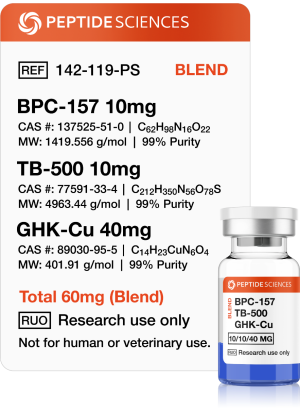
One of the most popular recovery-focused peptide blends combines:
- BPC-157 (10mg)
- TB-500 (10mg)
Researchers frequently study this combination because both peptides target complementary recovery pathways.
Why Researchers Use This Combination
Enhanced Tissue Repair
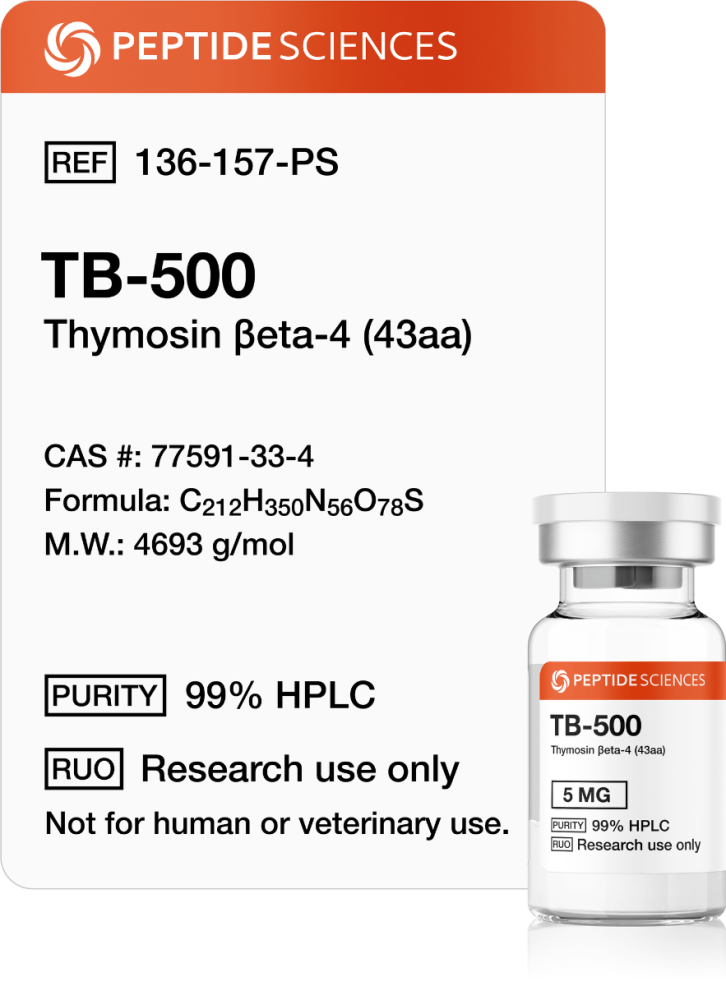
While BPC-157 is often studied for local tissue repair and angiogenesis, TB-500 is investigated for its role in cellular migration and tissue remodeling.
Together, they may support:
- Faster recovery processes
- Improved connective tissue repair
- Enhanced regeneration
Reduced Inflammatory Burden
Both peptides are commonly studied for their anti-inflammatory properties.
This makes the combination particularly interesting for research involving:
- Joint stress
- Overuse injuries
- Recovery after physical strain
GHK-Cu: Regeneration Beyond Skin Health
Although commonly known as an anti-aging peptide, GHK-Cu plays an important role in regenerative research.
This naturally occurring copper-binding peptide is studied for its ability to influence:
- Collagen production
- Tissue remodeling
- Cellular repair
- Wound healing
Key Research Areas
Collagen Synthesis
Collagen is essential for:
- Tendons
- Ligaments
- Cartilage
- Skin
- Connective tissue
Researchers continue to investigate GHK-Cu for its potential role in supporting healthy collagen turnover.
Antioxidant Protection
Oxidative stress can interfere with recovery.
GHK-Cu has demonstrated significant antioxidant activity in laboratory studies, making it relevant for tissue preservation and regeneration research.
Tissue Remodeling
Researchers frequently explore GHK-Cu’s role in improving tissue quality following injury or damage.
Glow: A Multi-Pathway Recovery Formula
Glow combines three of the most popular regenerative peptides:
This combination is designed to support multiple recovery pathways simultaneously.
Potential Research Applications
- Skin regeneration
- Tissue repair
- Recovery support
- Collagen production
- Cellular regeneration
- Anti-inflammatory pathways
By targeting several biological mechanisms at once, Glow has become a popular research formulation among scientists interested in comprehensive regenerative support.
KPV: The Anti-Inflammatory Peptide
Inflammation plays a major role in nearly every injury and recovery process.
KPV is a tripeptide derived from α-MSH that has attracted attention due to its strong anti-inflammatory properties.
Areas of Research Interest
Cytokine Regulation
Researchers investigate KPV for its ability to influence:
These inflammatory mediators are often associated with tissue damage and chronic inflammation.
Gut & Epithelial Health
KPV is frequently studied in research involving:
- Gut barrier function
- Epithelial tissues
- Immune regulation
Immune Balance
Research suggests KPV may support a balanced inflammatory response while promoting tissue protection.
SLU-PP-332: Supporting Recovery Through Metabolic Function
Although primarily known as a metabolic research compound, SLU-PP-332 may indirectly support recovery by enhancing energy utilization and mitochondrial function.
Areas of Research Interest
- Fat oxidation
- Mitochondrial efficiency
- Energy expenditure
- Circadian rhythm regulation
Efficient cellular energy production is critical for tissue repair and recovery, making SLU-PP-332 increasingly relevant in regenerative research discussions.
Why Recovery Peptides Continue to Gain Attention
Researchers are increasingly interested in compounds that do more than simply address symptoms.
Healing peptides are being studied because they may influence the underlying biological mechanisms involved in:
- Tissue repair
- Collagen production
- Cellular communication
- Inflammation regulation
- Recovery optimization
This multi-pathway approach has made regenerative peptides one of the most exciting areas of modern scientific research.
Shop Recovery & Healing Peptides at Peptide Sciences
At Peptide Sciences™, we provide researchers with access to some of the most trusted compounds used in regenerative and recovery-focused research.
Our commitment includes:
- Verified purity testing
- Certificates of Analysis (COAs)
- High-quality manufacturing standards
- Secure ordering
- Reliable product consistency
Whether you’re studying BPC-157, TB-500, GHK-Cu, KPV, Glow, or advanced regenerative peptide blends, Peptide Sciences remains committed to supporting the scientific community with premium research materials.
Research Use Only
All products offered by Peptide Sciences™ are intended strictly for scientific and laboratory research purposes. They are not approved for human consumption, therapeutic use, or clinical application.