Weight Loss Research Peptides

Weight Loss & Fat Burning Peptides: The Science Behind Modern Metabolic Research

Peptide Sciences Weight loss Peptides

Weight Loss & Fat Burning Peptides

The global rise in obesity and metabolic disorders has driven unprecedented interest in weight loss peptides and metabolic research compounds. Researchers are increasingly investigating peptides that influence appetite regulation, fat metabolism, energy expenditure, insulin sensitivity, and body composition to better understand the biological mechanisms involved in weight management.

Unlike traditional approaches that focus solely on reducing caloric intake, many modern peptide compounds target specific hormonal and metabolic pathways that help regulate how the body stores and utilizes energy. As a result, weight loss peptides have become one of the fastest-growing areas of peptide research.

At Peptide Sciences™, we provide researchers with access to some of the most widely studied metabolic compounds available today, including Semaglutide, Tirzepatide, Retatrutide, Cagrilintide, Tesamorelin, MOTS-c, AOD-9604, Tesofensine, SLU-PP-332, and 5-Amino-1MQ.


How Weight Loss Peptides Work

Weight loss peptides are being studied for their ability to influence several important physiological processes:

  • Appetite regulation
  • Satiety signaling
  • Glucose metabolism
  • Fat oxidation
  • Energy expenditure
  • Hormonal balance
  • Insulin sensitivity
  • Mitochondrial function

Many of these compounds interact with pathways that naturally regulate hunger and metabolism, helping researchers better understand the complex relationship between hormones, energy utilization, and body composition.

AOD-9604: The Fat Metabolism Peptide

AOD-9604 is a modified fragment of human growth hormone specifically studied for its effects on fat metabolism.

Unlike traditional HGH-related compounds, AOD-9604 is designed to focus primarily on metabolic pathways associated with fat utilization.

Areas of Research Interest

  • Fat oxidation
  • Lipolysis (fat breakdown)
  • Lipogenesis inhibition
  • Body composition studies
  • Metabolic efficiency

Researchers are particularly interested in AOD-9604 because it appears to target fat metabolism pathways without directly impacting glucose regulation or muscle tissue.


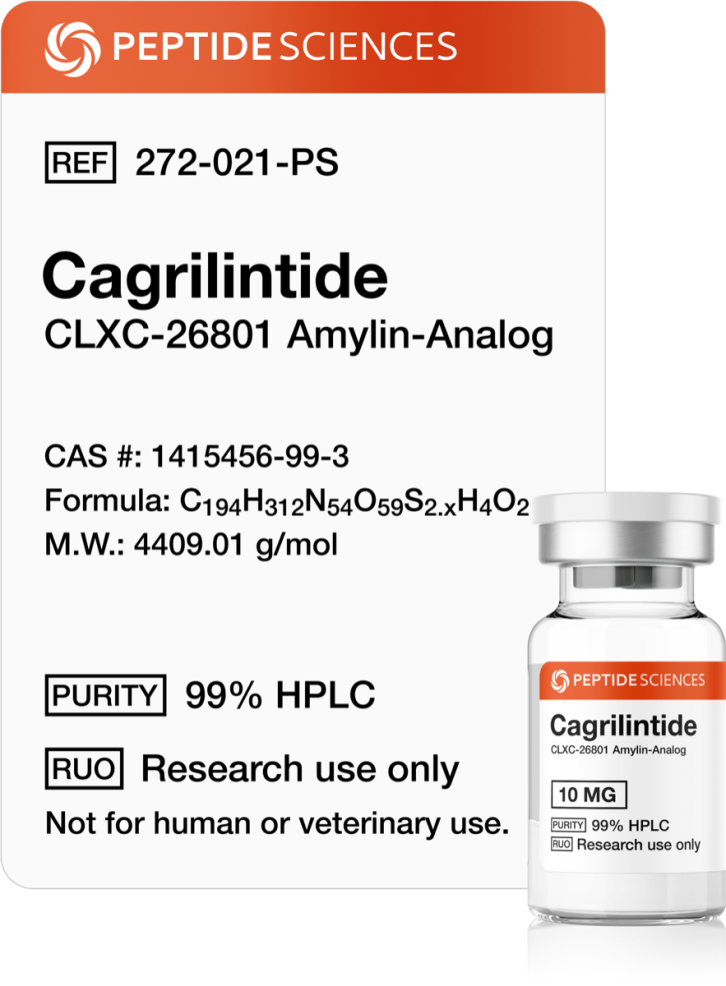
Cagrilintide: Appetite Regulation Research

Cagrilintide is a synthetic amylin analogue that has attracted significant attention in metabolic and obesity-related research.

Amylin is a naturally occurring hormone released alongside insulin and plays an important role in satiety signaling.

Areas of Research Interest

  • Appetite suppression
  • Gastric emptying
  • Satiety enhancement
  • Calorie intake reduction
  • Long-term weight management pathways

By influencing hunger and fullness signals, Cagrilintide is being studied as a potential tool for improving dietary adherence and reducing overall caloric intake.


MOTS-c: The Mitochondrial Metabolism Peptide

MOTS-c is one of the most fascinating peptides in modern metabolic research.

Derived from mitochondrial DNA, MOTS-c plays a role in cellular energy regulation and metabolic adaptation.

Areas of Research Interest

  • Insulin sensitivity
  • Glucose utilization
  • Mitochondrial efficiency
  • Energy production
  • Fat metabolism

Researchers are exploring MOTS-c for its potential role in improving metabolic flexibility and supporting healthy energy balance at the cellular level.


Retatrutide: The Next Generation Metabolic Peptide

Among all weight loss compounds currently under investigation, Retatrutide has generated tremendous scientific interest.

Retatrutide targets multiple metabolic pathways simultaneously, making it one of the most advanced compounds in obesity and metabolic research.

Areas of Research Interest

  • Appetite control
  • Energy balance
  • Fat metabolism
  • Body weight regulation
  • Metabolic optimization

Its multi-pathway mechanism has positioned Retatrutide as one of the most discussed compounds in modern weight management research.


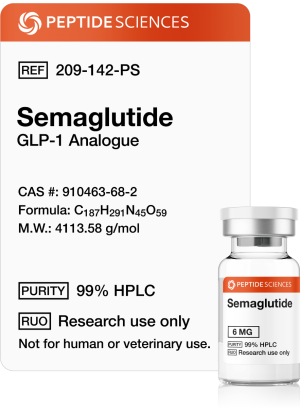
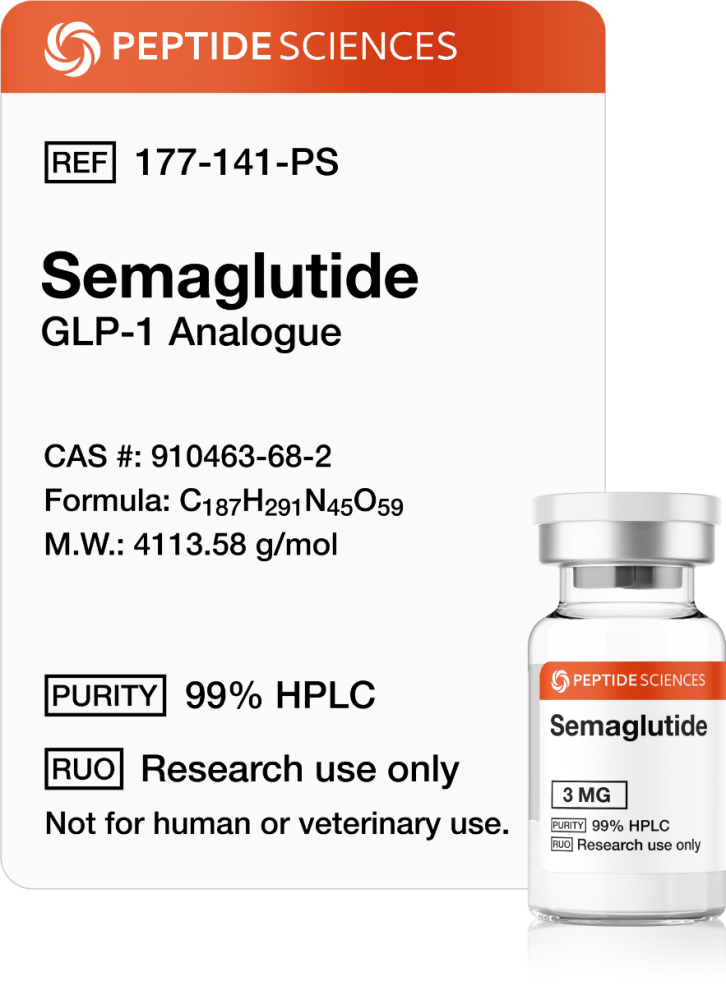
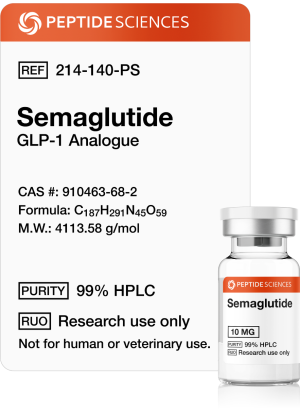
Semaglutide: A Leading GLP-1 Research Compound

Semaglutide has become one of the most recognized compounds in metabolic research.

As a GLP-1 receptor agonist, Semaglutide is studied for its ability to influence hunger signals and promote feelings of fullness.

Areas of Research Interest

  • Appetite regulation
  • Satiety enhancement
  • Glucose metabolism
  • Calorie reduction
  • Long-term body weight management

Semaglutide remains one of the most researched compounds in obesity-related studies worldwide.


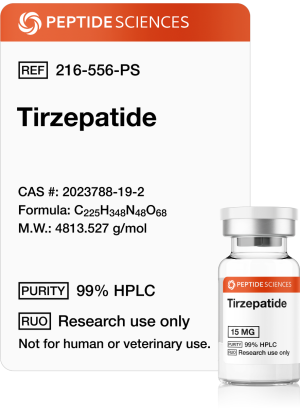
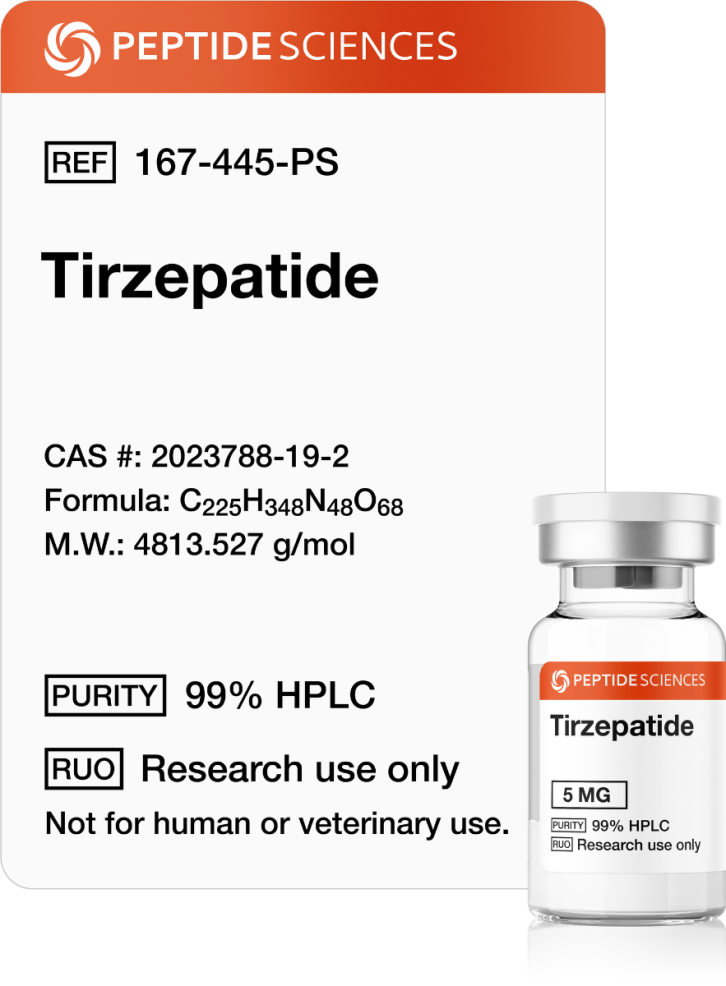
Tirzepatide: Dual-Receptor Metabolic Research

Tirzepatide represents another major advancement in metabolic science.

This compound interacts with both GLP-1 and GIP pathways, allowing researchers to study multiple metabolic mechanisms simultaneously.

Areas of Research Interest

  • Appetite control
  • Fat oxidation
  • Energy utilization
  • Glucose regulation
  • Body composition

Researchers continue to investigate Tirzepatide’s effects on improving metabolic efficiency and reducing fat accumulation.


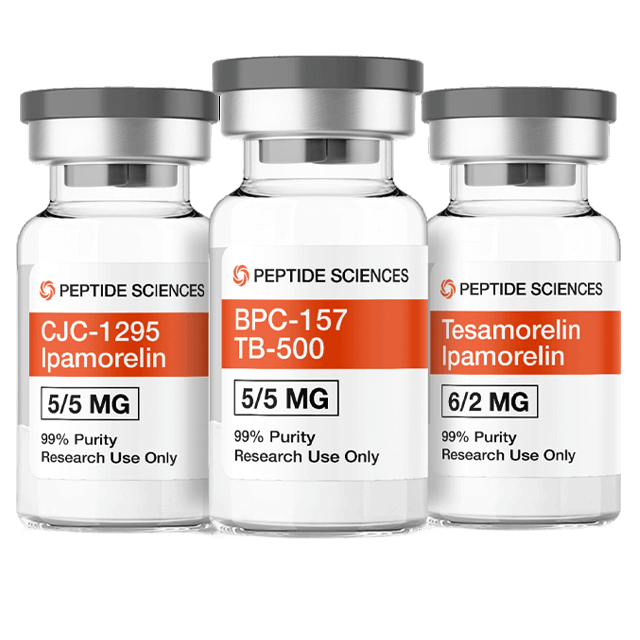
Tesamorelin: Growth Hormone & Visceral Fat Research

Tesamorelin is a growth hormone-releasing hormone (GHRH) analogue studied for its influence on natural growth hormone production.

Areas of Research Interest

  • Visceral fat reduction
  • Body composition
  • Growth hormone signaling
  • Metabolic health
  • Lean tissue preservation

Tesamorelin has become particularly relevant in research involving abdominal fat and metabolic function.


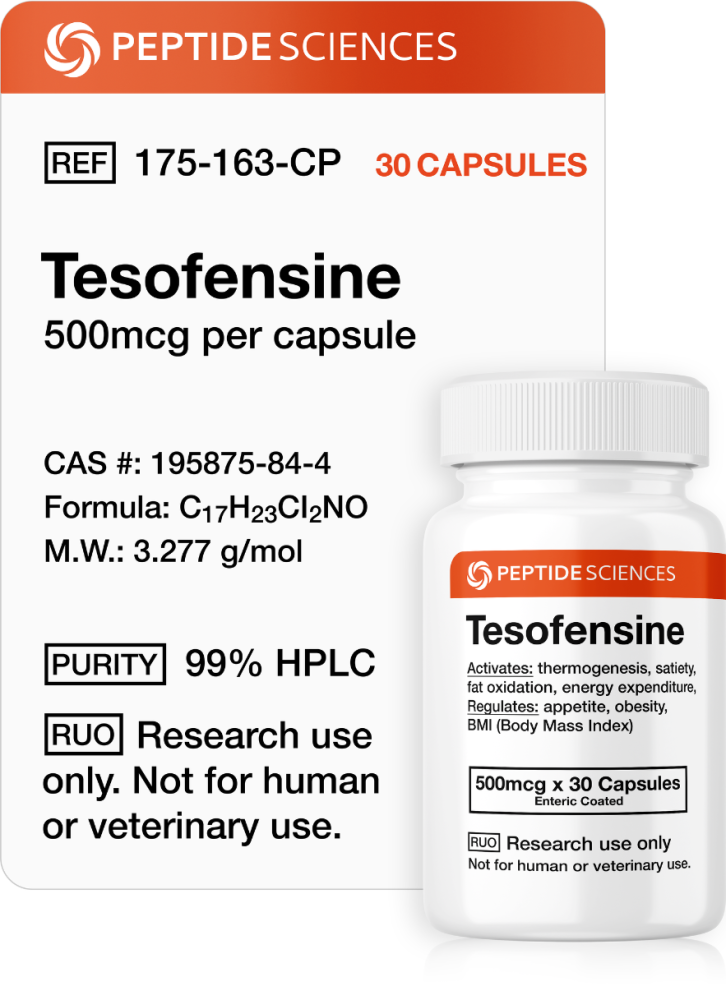
Tesofensine: Appetite & Craving Regulation

Tesofensine is a unique metabolic compound that works through neurotransmitter pathways associated with appetite and reward mechanisms.

Areas of Research Interest

  • Hunger regulation
  • Food cravings
  • Calorie intake reduction
  • Fat metabolism
  • Weight management

Researchers are interested in Tesofensine because it targets multiple neurotransmitter systems involved in feeding behavior.


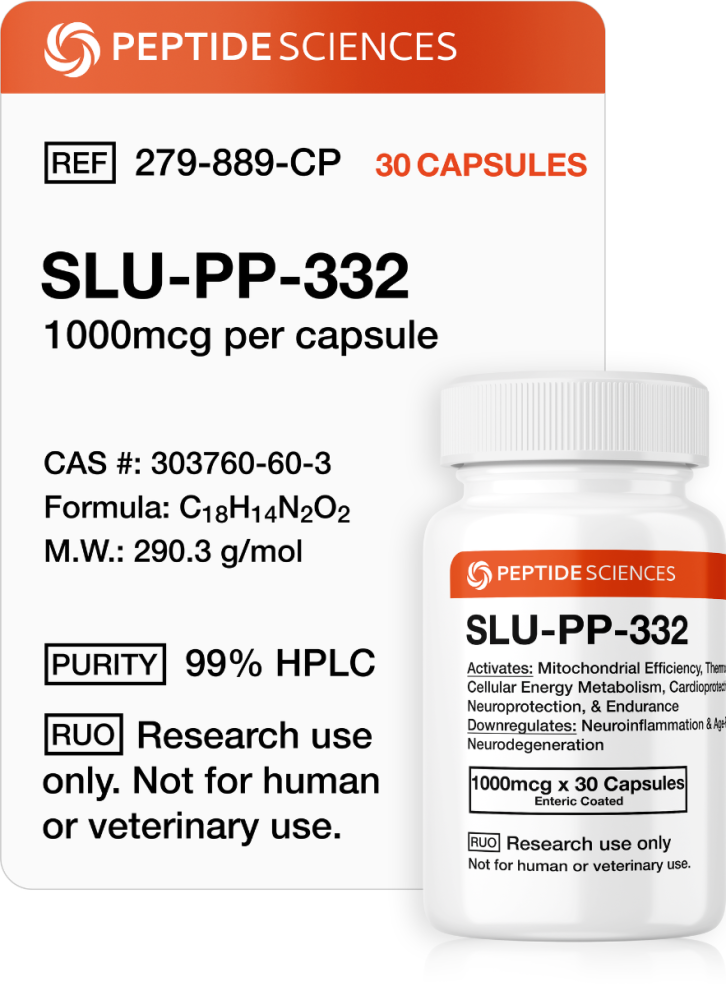
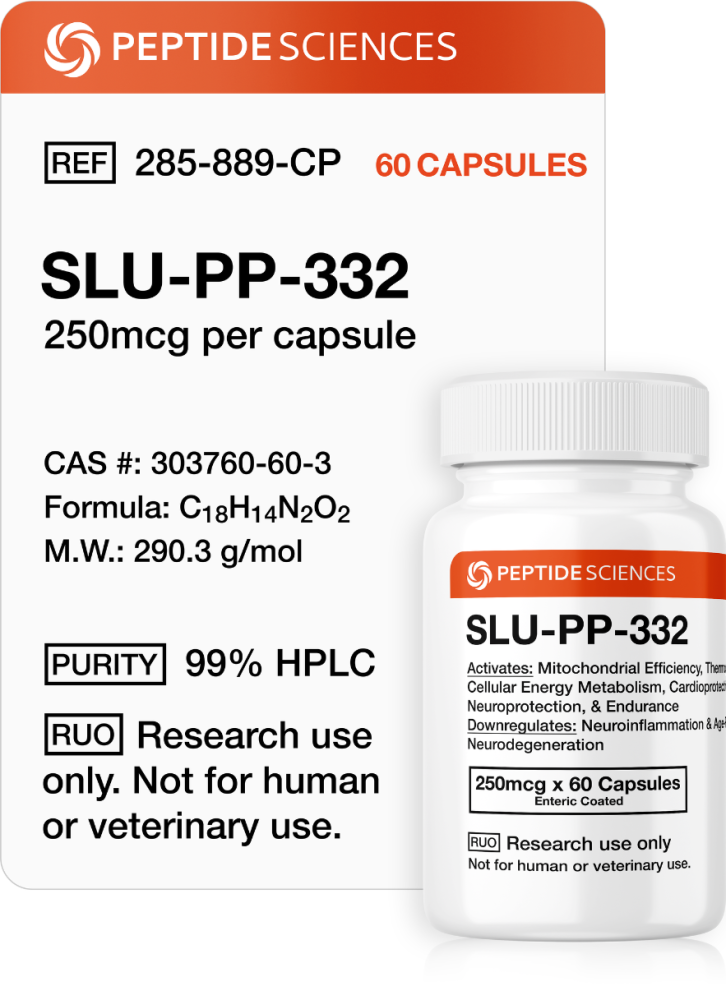
SLU-PP-332: Metabolic Efficiency & Energy Expenditure

SLU-PP-332 is an emerging compound being studied for its impact on circadian rhythm regulation and metabolic function.

As a REV-ERB agonist, it influences pathways involved in energy utilization and lipid metabolism.

Areas of Research Interest

  • Fat oxidation
  • Energy expenditure
  • Circadian rhythm regulation
  • Mitochondrial activity
  • Metabolic syndrome research

Its unique mechanism has made it a promising subject of investigation in obesity and metabolic studies.


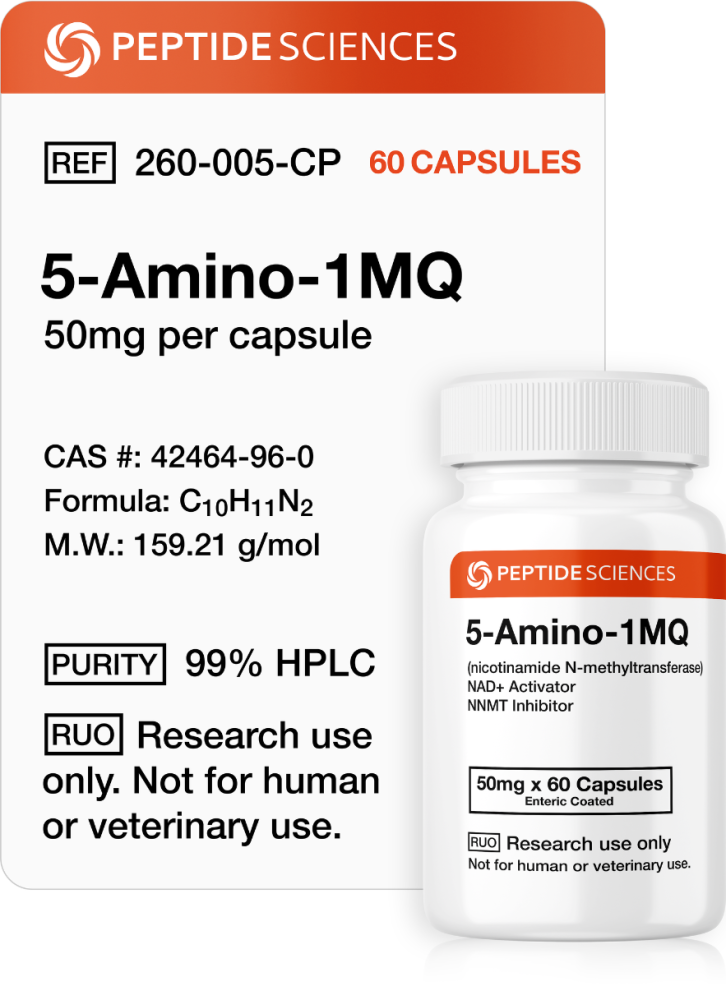
5-Amino-1MQ: NNMT Inhibition & Fat Metabolism

5-Amino-1MQ is a small-molecule metabolic compound that has gained attention for its interaction with the NNMT enzyme pathway.

Areas of Research Interest

  • NAD+ metabolism
  • Energy production
  • Fat oxidation
  • Adipocyte regulation
  • Metabolic efficiency

Researchers continue to investigate how NNMT inhibition may influence energy utilization and body composition.


Choosing the Right Weight Loss Peptide for Research

Different compounds target different metabolic pathways:

Research GoalCommonly Studied Compounds
Appetite RegulationSemaglutide, Tirzepatide, Cagrilintide
Fat OxidationAOD-9604, SLU-PP-332, Tesofensine
Mitochondrial FunctionMOTS-c, SLU-PP-332
Visceral Fat StudiesTesamorelin
Energy Expenditure5-Amino-1MQ, MOTS-c
Advanced Metabolic ResearchRetatrutide, Tirzepatide

The Future of Metabolic Peptide Research

The field of weight loss and metabolic peptides continues to evolve rapidly. Researchers are increasingly moving beyond simple appetite suppression and exploring compounds that influence:

  • Cellular energy production
  • Hormonal signaling
  • Mitochondrial health
  • Fat utilization pathways
  • Metabolic flexibility
  • Long-term body composition regulation

As scientific understanding advances, peptides are expected to play an increasingly important role in metabolic and obesity-related research.


Explore Weight Loss Peptides at Peptide Sciences™

At Peptide Sciences™, we offer a carefully selected range of research compounds for laboratories and qualified researchers investigating metabolism, fat oxidation, appetite regulation, and body composition.
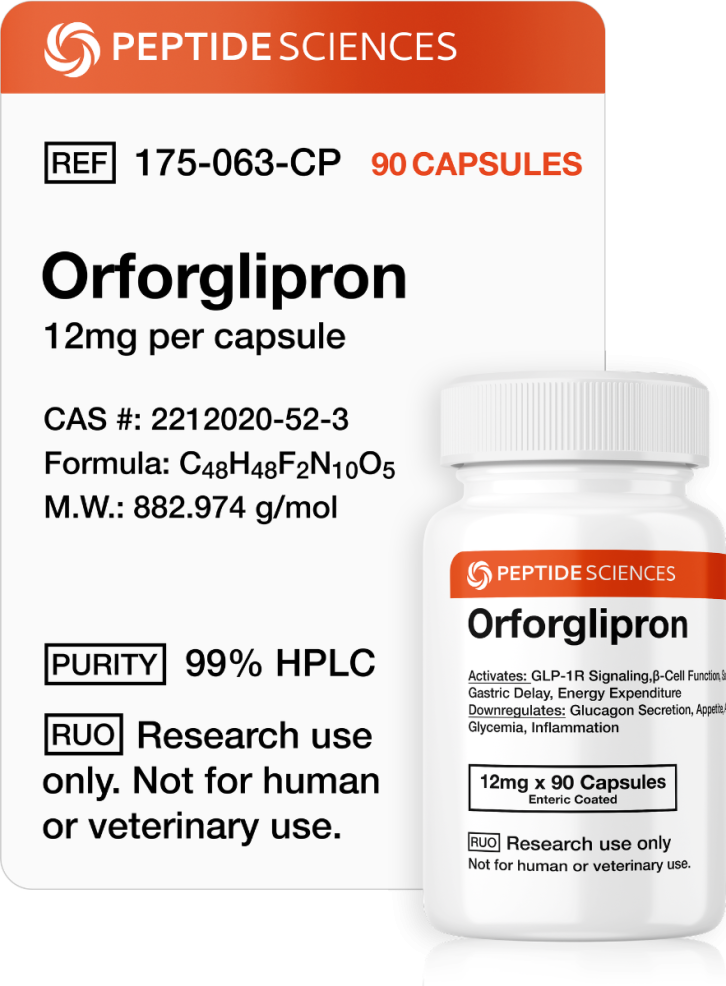
Our commitment to quality includes:

  • Verified purity testing
  • Certificates of Analysis (COAs)
  • Secure packaging
  • Research-focused support
  • High-quality peptide sourcing

Whether you’re studying Semaglutide, Tirzepatide, Retatrutide, MOTS-c, AOD-9604, or other advanced metabolic compounds, Peptide Sciences remains dedicated to supporting the scientific research community with trusted research materials.

Research Use Only. Not for human consumption, therapeutic use, or clinical application.